Hakone Ropeway Closures 2026–2027: Dates, Replacement Buses and Alternative Routes
Two sections of the Hakone Ropeway close for maintenance in winter 2026–27. Here are the dates, how the replacement buses work and which end of the ropeway to start from.
Parts of the Hakone Ropeway close for scheduled maintenance from 7 to 24 December 2026 and from 12 January to 26 February 2027. The whole ropeway never closes at once: in each period the other section keeps running and replacement buses cover the suspended one, so you can still make a day trip from Tokyo, visit Owakudani and, if the weather is clear, see Mount Fuji.
Check Availability
Tokyo: Mt. Fuji Tour, Hakone Ropeway, Owakudani, Lake Ashi — A shared Tokyo day trip linking Hakone Shrine, the ropeway and Owakudani with Lake Yamanaka and Oshino Hakkai. Cruise fare is extra.
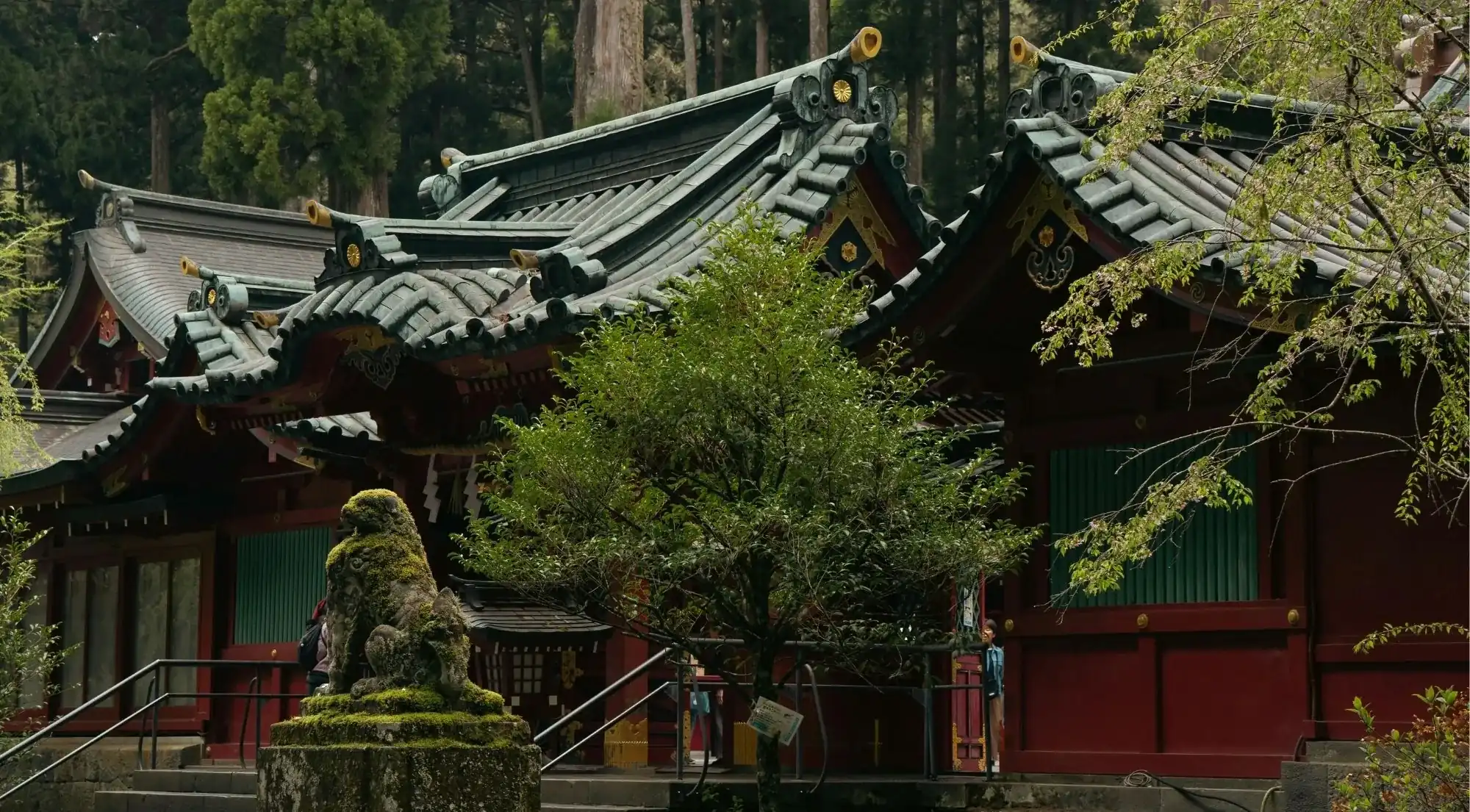
What changes is the end of the ropeway you start from. In December, approach Owakudani from Togendai on Lake Ashi. From mid-January through February, approach it from Sounzan above Gora.
Quick answer for winter 2026–27: 7–24 December 2026: Sounzan–Owakudani closes; use the operating Togendai–Owakudani gondolas. 12 January–26 February 2027: Owakudani–Ubako–Togendai closes; use the operating Sounzan–Owakudani gondolas. Replacement buses are planned about every 15 minutes, but delays and queues are possible. Check live Hakone transport status on your travel day.
This guide follows the official Odakyu Hakone notice issued in September 2026 and was checked on 2 November 2026. Announced maintenance dates do not guarantee that a particular gondola or bus will run on the day.
Hakone Ropeway Closure Dates: Winter 2026–2027
| Travel dates | Closed ropeway section | Section scheduled to operate | Recommended access to Owakudani |
|---|---|---|---|
| Until 6 December 2026 | No closure in this maintenance notice | Whole route, subject to daily conditions | Either end |
| 7–24 December 2026 | Sounzan ↔ Owakudani | Owakudani ↔ Ubako ↔ Togendai | From Togendai (Lake Ashi) |
| 25 December 2026–11 January 2027 | No closure in this maintenance notice | Whole route, subject to daily conditions | Either end |
| 12 January–26 February 2027 | Owakudani ↔ Ubako ↔ Togendai | Sounzan ↔ Owakudani | From Sounzan (Gora side) |
| From 27 February 2027 | No closure in this maintenance notice | Whole route, subject to daily conditions | Either end |
The dates are inclusive, and the two periods do not overlap. “No closure in this maintenance notice” means only that the scheduled work does not touch that date; strong wind, volcanic conditions, inspections or other problems can still stop the gondolas.
A simple way to picture the route
The ropeway has four stations:
Sounzan ↔ Owakudani ↔ Ubako ↔ Togendai
- Sounzan connects with the Hakone Tozan Cable Car down to Gora.
- Owakudani is the volcanic sightseeing stop, with steaming ground and possible Mount Fuji views.
- Ubako is the intermediate station between Owakudani and Togendai.
- Togendai connects with the Lake Ashi sightseeing cruise.
The usual one-day Hakone loop reaches Sounzan from Gora, rides the ropeway over Owakudani to Togendai, then crosses Lake Ashi by boat. During the maintenance, the closed section becomes a bus ride.
7–24 December 2026: Sounzan–Owakudani Closed
Closed: Sounzan ↔ Owakudani (18 days, 7–24 December inclusive). For a full day plan around it, see Hakone in December 2026.
Operating: Owakudani ↔ Ubako ↔ Togendai, subject to weather.
Replacement bus: Between Sounzan and Owakudani; the operator estimates about 10 minutes on board in normal conditions, with departures about every 15 minutes.
The notice recommends reaching Owakudani from the Togendai end, because the replacement buses can be very crowded and road traffic can slow them down.
Best route from Tokyo in December: do the Hakone loop in reverse
If you want the working ropeway section, Lake Ashi and Owakudani, run the loop backwards:
- Travel from Tokyo to Hakone-Yumoto. From Shinjuku, most people take the Odakyu line, with or without a reserved Romancecar seat; see Tokyo to Hakone by train.
- From Hakone-Yumoto, take a bus toward Moto-Hakone-ko or Hakone-machi-ko. Check the platform and route on Hakone Navi; the H and R buses from platform 2 serve both lake ports.
- If time allows, visit Hakone Shrine and the lakeside torii gate. Expect a queue at the photo spot.
- Board the Hakone Sightseeing Cruise toward Togendai. Check the route and departures for your day; a boat will not necessarily be waiting when you arrive.
- From Togendai, ride the operating ropeway via Ubako to Owakudani. Explore the volcanic landscape and the viewing areas, and look for Fuji if the sky is clear.
- To finish the circuit, take the replacement bus from Owakudani to Sounzan, then the cable car down to Gora and the mountain train to Hakone-Yumoto.
- Return to Tokyo from Hakone-Yumoto.
The trade-off is that this direction keeps the long Lake Ashi–Owakudani gondola ride, but the leg from Owakudani to Sounzan still uses the replacement bus. To avoid it completely, ride back down to Togendai and return to Hakone-Yumoto on a regular bus (the T bus runs between Togendai and Hakone-Yumoto). You backtrack, but you skip the maintenance shuttle; check the bus and its departure time first.
Sample December timetable — a planning framework, not a service timetable
| Approximate stage | Activity |
|---|---|
| 7:00–8:00 | Leave Tokyo for Hakone-Yumoto |
| Morning | Bus to the Lake Ashi area |
| Late morning | Hakone Shrine or the lakeside, as time allows |
| Around midday | Lake Ashi sightseeing cruise to Togendai |
| Early afternoon | Operating ropeway to Owakudani; sightseeing stop |
| Mid-afternoon | Replacement bus to Sounzan, then Gora and Hakone-Yumoto |
| Evening | Return to Tokyo |
These are rough blocks, not booked connections or guaranteed times. Bus queues, cruise schedules and the seasonal last departures can change the order. On a busy day, put the cruise and the ropeway first and drop a stop if you need to.
What if you only want the ropeway and Owakudani?
Skip the loop. Get to Togendai by bus or by the lake cruise, ride the operating gondolas to Owakudani and come back the same way. That is easier than climbing to Sounzan only to use the maintenance bus, especially if the ropeway ride is your main reason for coming.
12 January–26 February 2027: Owakudani–Togendai Closed
Closed: Owakudani ↔ Ubako ↔ Togendai (46 days, 12 January–26 February inclusive). For January itineraries around it, see Hakone in January 2027.
Operating: Sounzan ↔ Owakudani, subject to weather.
Replacement bus: For the closed Togendai–Ubako–Owakudani section; the operator estimates about 15 minutes on board in normal conditions, with departures about every 15 minutes.
This is the longer of the two closures, and it matters most if you expect to ride from Owakudani all the way down to Lake Ashi. The operator recommends approaching Owakudani from Sounzan, where the gondolas still run.
Best route from Tokyo in January and February: Gora → Owakudani → Lake Ashi
- Arrive at Hakone-Yumoto from Tokyo.
- Take the Hakone Tozan mountain train to Gora.
- Change to the Hakone Tozan Cable Car up to Sounzan.
- Ride the operating Sounzan–Owakudani ropeway, the section that crosses the volcanic valley.
- Explore Owakudani and look for the views if the weather is clear.
- To continue the loop, board the replacement bus toward Togendai. Allow extra time for the queue and the road traffic.
- At Togendai, take the Lake Ashi sightseeing cruise if it is running and the remaining departures fit your day.
- From Moto-Hakone-ko or Hakone-machi-ko, take a bus to Hakone-Yumoto for the train back to Tokyo.
This is the familiar direction of the classic Hakone one-day itinerary, with one change: Owakudani to Togendai is by bus, not by gondola.
If you want to avoid replacement buses entirely
Make Owakudani the top of your day and go back the way you came:
Hakone-Yumoto → Gora → Sounzan → ropeway to Owakudani → ropeway to Sounzan → Gora → Hakone-Yumoto.
Add the Hakone Open-Air Museum near Gora, a café or an onsen if you have time. This route suits travelers who care more about the ropeway’s volcanic scenery than about completing the lake circuit, and it saves you a cross-mountain bus ride just before the last cruise.
For indoor and slower-paced ideas, see our Hakone winter day trip guide and Hakone onsen day trip guide.
Can you still visit Lake Ashi during January–February maintenance?
Yes. The ropeway closure does not close Lake Ashi or its sightseeing cruise. You can reach the lake by bus from Hakone-Yumoto, or continue from Owakudani to Togendai on the replacement bus and take the cruise if it is running.
The maintenance bus can be crowded, though, and the cruise keeps its own timetable. If you reach Togendai late in the afternoon, there may be no boat left. Check the official Hakone Sightseeing Cruise page as well as the replacement-bus information.
What About 25 December 2026–11 January 2027?
Neither maintenance period covers 25 December 2026 to 11 January 2027. On those dates the whole ropeway is outside the planned closures.
That does not guarantee normal service every day: winter wind or other problems can still cause a short-notice suspension. And 2–3 January is the Hakone Ekiden, when the race and its road closures disrupt buses and cars around Hakone. Do not pick those two days just because every ropeway section is scheduled to run.
If your dates are flexible and riding the whole ropeway matters to you, choose this gap or a date after 26 February over a day when one section is replaced by a bus.
How the Hakone Ropeway Replacement Buses Work
The operator’s September 2026 notice sets out these arrangements for the maintenance replacement service:
| Question | Officially announced arrangement |
|---|---|
| How often do buses run? | About every 15 minutes; no reservations and no guaranteed frequency. |
| How long is the December leg? | About 10 minutes Sounzan–Owakudani on the bus, plus any wait or traffic delay. |
| How long is the January–February leg? | About 15 minutes Togendai–Ubako–Owakudani on the bus, plus any wait or traffic delay. |
| Do buses follow ropeway hours? | Yes. The operator says the replacement buses follow the Hakone Ropeway operating hours. |
| Can buses be delayed? | Yes. The operator warns that queues and road congestion are likely. |
| Is a Hakone Freepass valid? | Yes, on the replacement service. |
| Can I use a ropeway ticket? | Yes, any valid Hakone Ropeway ticket, including tickets issued by travel agencies. |
| What if I have no valid ropeway ticket? | The notice sends you to the regular Izuhakone Bus routes instead of the replacement bus. |
Do not confuse the replacement shuttle with an ordinary public bus. A regular bus may use a similar road but can have different stops, fares and pass rules, and the Hakone Freepass does not cover every Izuhakone Bus service. Check which operator runs the bus before you board.
The operator does not promise a queue time. On the loop, leave a generous buffer and do not treat the 10- or 15-minute ride as the whole transfer.
Where do you board the substitute buses?
The notice names the end stations and the affected section, but not a fixed boarding spot for every day of the work. Look for temporary signs and staff at the ropeway stations. For exact boarding points and departures, use the latest Hakone Navi transport information or ask station staff.
Will the substitute bus stop at Ubako?
The January–February notice describes the affected section as Togendai–Ubako–Owakudani. If you need to get on or off at Ubako, confirm the current stops with the operator before you travel; do not assume every departure stops in the same places.
Are replacement buses accessible and can you bring luggage?
The replacement buses may not offer the same step-free boarding as the gondolas. If you use a wheelchair or stroller, carry large luggage or have other needs, ask Odakyu Hakone about the vehicle and boarding arrangements for your date. A day trip is easier with a small bag, with luggage left in Tokyo or in a locker where available.
Hakone Ropeway Winter Opening Hours: When Is the Last Ride?
The official ropeway information gives these regular hours:
| Month | Published ropeway hours |
|---|---|
| December | 9:00 a.m.–4:15 p.m. |
| January | 9:00 a.m.–4:15 p.m. |
| February | 9:00 a.m.–5:00 p.m. |
These are the regular hours. They do not mean you can start every journey right up to closing time, and the last replacement bus may not leave at the same moment. The operator says the buses follow the ropeway timetable and points visitors to Hakone Navi for the latest schedule.
In December and January, plan to finish your mountain crossing well before 4:15 p.m. Check the onward connections from Sounzan, Gora, Togendai or the lake ports as well as the ropeway’s closing time. The valley can be windy and cold while you wait.
Is the Hakone Freepass Still Worth It During the Closures?
Often, yes. The Freepass is valid on the replacement buses, but that does not make it the cheapest ticket for every day.
On a full loop with the Hakone Tozan Train, the cable car, the operating ropeway, the replacement bus, the Lake Ashi cruise and local buses, the pass still pays its way. It also lets you change plans within the covered network without buying new tickets.
On a short day in Hakone-Yumoto, Gora, an art museum or one onsen, single tickets may cost less. If you skip the cruise and come back from Owakudani the way you went up, the loop pass is worth less too.
- Independent full-loop traveler: compare the Freepass with the single fares you will actually use.
- One-area traveler: add up the ordinary tickets first.
- Guided-tour traveler: do not buy a Freepass if the tour already includes transport; check what your booking covers.
- Traveling from Shinjuku: the Romancecar reserved seat (¥1,200 each way for an adult) costs extra on top of the base fare.
For the fare math and the pass types, read our Hakone Freepass: Is It Worth It?. Recheck prices, covered routes and operator changes before you buy.
Booking a Hakone Tour from Tokyo During Ropeway Maintenance
A tour sold as “Hakone Ropeway + Owakudani + Lake Ashi” does not ride the same gondola section on every date. Some coach tours drive to Owakudani and ride only one section of the ropeway. Others drop the gondola if weather or maintenance makes it unavailable.
The $54 TAIHOU tour (4.6/5 from more than 8,500 reviews) is one example: it includes a one-way ropeway ticket and adds Lake Yamanaka and Oshino Hakkai, with the Lake Ashi cruise fare extra. The $115 H.I.S. tour with a bullet-train return (4.2/5 from more than 1,700 reviews) includes both the ropeway and cruise tickets. On either one, ask which section you will ride on your date.
Before you book a tour for 7–24 December or 12 January–26 February, check the specific itinerary option, not just the tour’s name. Ask the operator:
- Which section of the ropeway does the tour ride? Sounzan–Owakudani and Owakudani–Togendai are different rides.
- What happens on my maintenance date? Does the tour use the remaining section, take a replacement bus or drop the ride?
- Is Owakudani still included? A coach arrival can keep the sightseeing stop even without the gondola.
- Is the Lake Ashi cruise included in the price? If not, is there time to buy and take it separately?
- What happens if strong wind stops the operating section too? Check the substitute stops, refunds or changes under the provider’s own policy.
- How much of the day is spent driving? Winter traffic can cut sightseeing time on a coach tour.
A closed ropeway section does not by itself cancel a tour, and a ropeway in the tour’s title does not guarantee the ride. See our guide to which Hakone tour to book and best Mt Fuji and Hakone tours from Tokyo for the main types of guided trip.
What If the Operating Ropeway Section Is Closed by Wind Too?
Maintenance is only one reason for a suspension. The ropeway also stops for strong wind, lightning, volcanic conditions or other safety reasons. The lake cruise is a separate service and can also stop in poor weather.
If the operating half of the ropeway is down on your day, do not plan around a gondola ride. Choose a route that works with ground transport and attractions that are open:
Alternative A: Gora and the Open-Air Museum
Go from Hakone-Yumoto to Gora. Visit the Hakone Open-Air Museum (open 9:00 a.m. to 5:00 p.m., last entry 4:30 p.m.), have lunch and spend time around Gora. You need neither the ropeway nor the cruise, which helps when mountain conditions are unsettled.
Alternative B: Lake Ashi and Hakone Shrine
Take a bus to Moto-Hakone-ko, see Hakone Shrine and walk the lakeside if conditions are safe. Add a cruise only if it is running. You do not need the ropeway to reach the shrine.
Alternative C: Hakone-Yumoto onsen day
Stay low in the valley, explore Hakone-Yumoto and book a day-use onsen or bathhouse that accepts visitors. This works when a full mountain circuit would be uncomfortable or uncertain. Check whether the facility needs a reservation and what its bathing rules are.
You can also read Hakone in Winter: Day Trip Guide for seasonal advice and more itinerary options.
How to Check the Ropeway on the Morning of Your Trip
- Open Hakone Navi’s live transport status. Look separately at the ropeway, cable car, buses and Lake Ashi cruise.
- Open the official ropeway page for its hours and service notices.
- If you plan to cross the lake, check the sightseeing cruise and the last connection that matters to you.
- Check the weather forecast for the higher parts of Hakone; the central Tokyo forecast will not tell you about mountain wind. Wind matters most for gondolas and boats.
- Pick your direction after these checks: Togendai during the December closure, Sounzan during the January–February closure, or a route without the ropeway if conditions demand it.
- Leave enough time to reach Hakone-Yumoto for your train back. The 10–15 minute bus estimate does not include the queue or road delays.
One habit helps most: decide in advance which attraction you would drop if a 45–60 minute delay appears. A shorter day with Owakudani and Lake Ashi beats a rushed attempt to make every transfer.
Frequently Asked Questions
Is the Hakone Ropeway closed in December 2026?
Partly. From 7 to 24 December 2026, Sounzan–Owakudani is closed for maintenance, with a replacement bus. The Owakudani–Ubako–Togendai section is scheduled to stay open, weather permitting.
Is the Hakone Ropeway closed in January 2027?
Not for the whole month. The maintenance closure starts on 12 January 2027 and affects Owakudani–Ubako–Togendai. The Sounzan–Owakudani section stays open. From 1 to 11 January there is no scheduled closure, although weather can still stop services.
Is the Hakone Ropeway closed in February 2027?
Partly, through 26 February 2027. The Owakudani–Togendai side is closed for maintenance, and Sounzan–Owakudani is the operating section, subject to conditions. The notice lists no maintenance closure from 27 February onward.
Can I still reach Owakudani during the maintenance work?
Yes, in normal conditions. One side of the ropeway runs and a replacement bus covers the other. For fewer bus worries, approach Owakudani from Togendai in December and from Sounzan in January and February.
Can I still ride a gondola during the closures?
Yes, on the section not under maintenance, if it is running that day. The section being maintained has no gondolas.
Do replacement buses run every 15 minutes exactly?
No. The notice says about every 15 minutes and warns of crowding and traffic. It is not a fixed timetable or a promise that you will board straight away.
Is the substitute bus free with a Hakone Freepass?
Yes. The operator says a valid Hakone Freepass can be used on its maintenance replacement bus, and other valid ropeway tickets are accepted too. An ordinary bus run by a different company is a separate matter.
Is Lake Ashi closed when the ropeway is closed?
No. You can reach Lake Ashi by road, and the cruise has its own operating status and timetable. Wind or bad weather can still cancel cruise departures regardless of the ropeway maintenance.
Should I visit Hakone at all during the ropeway maintenance?
Yes, if your plans are flexible. The volcanic valley, the lake, the shrine, the art museums and the hot springs still make a good day. If riding the whole ropeway end to end is your main goal, move your visit outside the closure periods if you can.
Which closure affects the Mount Fuji views more?
Both change what you see from the gondola. The Sounzan–Owakudani section is known for views over the volcanic valley; the Owakudani–Togendai section can give Mount Fuji and Lake Ashi views on clear days. December closes the first, January–February the second. You can also see Fuji from some places on the ground, but never with a guarantee.
What if I already booked a Tokyo–Hakone guided tour?
Ask the tour provider for the itinerary on your date and its substitution policy: does the tour use the operating section, switch to a road transfer or drop the ride? Do not expect an automatic refund or cancellation because of the public-transport maintenance notice alone.
Bottom Line: Which Direction Should You Take?
From 7 to 24 December 2026, start your ropeway sightseeing from the Lake Ashi (Togendai) side if you can. From 12 January to 26 February 2027, start from Gora and Sounzan. In either period you can complete the circuit with the replacement bus, but the easiest day uses the working gondolas to reach Owakudani instead of queuing for the maintenance bus on the way in.
If the whole ropeway runs on your day, follow our classic one-day Hakone loop. If the weather makes the ropeway unreliable, switch to a Gora museum, Lake Ashi and shrine, or Hakone-Yumoto onsen day. You can still have a good Hakone day trip without riding every type of transport.
Official Sources and Last Checked Date
- Odakyu Hakone: September 2026 scheduled maintenance and replacement-bus notice (PDF): closure dates and sections, bus frequencies and journey times, ticket rules and congestion advice.
- Hakone Navi: Live transportation status: service changes on the day.
- Hakone Navi: Hakone Ropeway: seasonal operating hours and general ropeway information.
- Hakone Navi: Hakone-Yumoto Station: buses toward Moto-Hakone and Togendai.
- Hakone Navi: Lake Ashi sightseeing cruise: cruise route, departures and travel advice.
Last checked: 2 November 2026. This guide covers the scheduled 2026–27 maintenance and is not a live disruption report. Recheck services, departures and fare conditions before you travel.
Make a Day for Hakone
Choose your departure point, check the inclusions and leave your evening flexible for the journey back.
Check Dates & Prices