Hakone Freepass: Is It Worth It for a Day Trip?
The pass is sold in two-day and three-day versions, and plenty of day-trippers still buy it. What it covers, what it leaves out, and the routes where separate tickets come out ahead.
The Hakone Freepass reads like a product for a multi-day stay: the shortest version runs for two days. Plenty of travelers still buy it for a single day trip from Tokyo, because what it is worth has little to do with how many days it lasts. Hakone’s classic sightseeing route uses several different forms of transport, and the pass bundles most of them. For a first-time visitor doing the full loop, that makes the day easier to organize — and it is not automatically the cheapest choice for everyone.
Check Availability
Tokyo: Mt Fuji & Hakone Ropeway, Lake Ashi Cruise,Owakudani — A shared shrine, ropeway and volcanic-valley itinerary with Fuji-area stops. The Lake Ashi pirate-ship fare is not included.
What Is the Hakone Freepass?
The Hakone Freepass is a transport pass. It covers a round trip on the Odakyu Line, depending on where you buy it, plus travel on a large network of transport inside the Hakone area.
It is sold in two versions:
- 2 days
- 3 days
The coverage is built around the way most visitors move through Hakone, which is why it fits the standard loop so closely and fits a single-attraction visit so poorly.
What Does the Hakone Freepass Include?
The pass covers the major Hakone-area transport:
- Hakone Tozan Train
- Hakone Tozan Bus in designated areas
- Hakone Tozan Cable Car
- Hakone Ropeway
- Hakone Sightseeing Cruise
- designated highway and local buses
It also carries discounts or other benefits at participating attractions and facilities, which is a different thing from free entry — see the two sections on that below.
Does the Hakone Freepass Include the Hakone Ropeway?
Yes, and this is the inclusion that matters most, because the ropeway is the spine of the standard Hakone itinerary:
Gora → Sounzan → Owakudani → Togendai
There is no convenient way to skip that leg and still see the volcanic valley and the lake in the same day.
Does It Include the Lake Ashi Pirate Ship?
Yes. The Hakone Sightseeing Cruise, the boat everyone calls the pirate ship, is covered.
Together with the ropeway, that is the pair of tickets a guided package usually charges for separately. The Clover Travel day trip is the closest guided equivalent, bundling both rides with transport from Tokyo; our cruise and ropeway comparison shows which listings include the boat and which leave it to you.
Does the Hakone Freepass Include Buses?
Many of them. The pass covers designated sections of the Hakone-area bus networks.
It does not mean every bus you meet around Hakone is included, so check the route before boarding one that runs outside the covered area.
Does the Hakone Freepass Include the Train From Tokyo?
If you buy the version from Shinjuku, it includes one round trip on the Odakyu Line between your departure station and Odawara, subject to the pass conditions.
Buy it elsewhere and that leg changes, which is the detail most often missed when travelers compare a headline price they saw quoted for the Shinjuku version.
Does the Hakone Freepass Include the Romancecar?
Not fully. The standard Odakyu journey is covered according to the pass rules, and the Limited Express Romancecar surcharge is not.
The clearest way to hold it:
Hakone Freepass = base transport
Romancecar ticket = optional reserved-seat upgrade
Our Tokyo to Hakone transport guide sets out what that upgrade buys you on a day trip.
Is the Hakone Freepass Worth It for One Day?
For the classic Hakone loop, often yes. That route typically runs:
- train toward Gora
- cable car to Sounzan
- Hakone Ropeway
- stop at Owakudani
- ropeway to Togendai
- Lake Ashi sightseeing cruise
- bus from the lake area back toward Hakone-Yumoto
Seven legs on five kinds of transport, all inside the covered area. This is the itinerary the pass was designed around, and our one-day Hakone itinerary follows it stop by stop.
When the Hakone Freepass Is Most Worth It
The pass makes the most sense when you plan several of these in the same trip:
- Hakone Tozan Railway
- Gora
- cable car
- Hakone Ropeway
- Owakudani
- Lake Ashi cruise
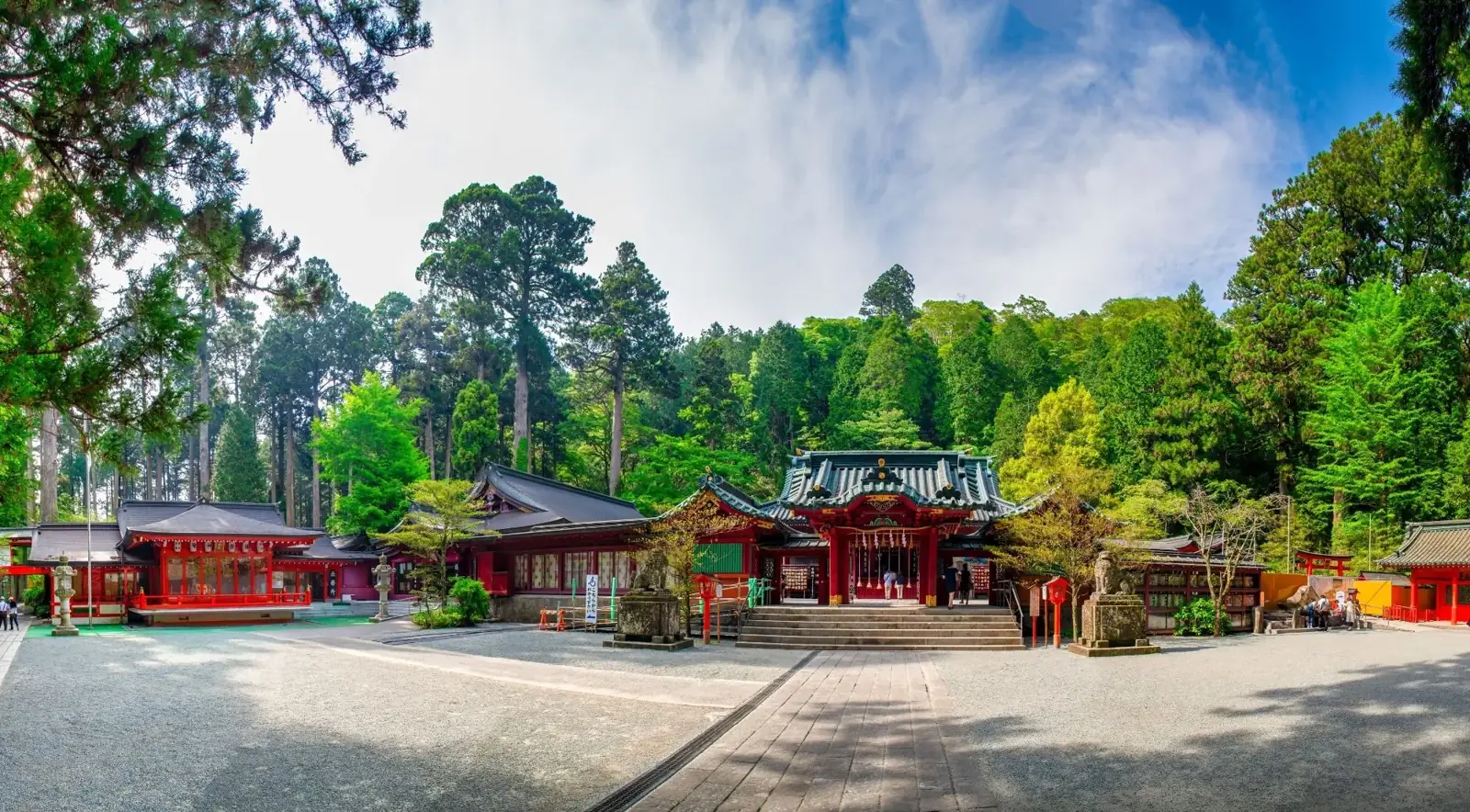
- Hakone Shrine
- buses around Hakone
The more you move, the more useful it becomes, because every leg you add is one you are no longer paying for at a ticket window.
When the Hakone Freepass May Not Be Worth It
Four situations where separate tickets usually come out ahead.
You’re only visiting one part of Hakone
For example:
Tokyo → Hakone-Yumoto → onsen → Tokyo
Two legs on one line is nowhere near the pass’s break-even.
You’re visiting Hakone on an organized tour
If your tour already includes transport, a separate Freepass duplicates what you have paid for. Check the listing’s inclusions before buying one; our guide to choosing a Hakone tour lists what each of the five covers.
You’re traveling onward instead of returning to Tokyo
If Hakone is one stop on a route such as Tokyo → Hakone → Kyoto, the Shinjuku round-trip component does not fit your journey, and you are buying a return leg you will not use.
You’re spending most of the day at one attraction
If the Open-Air Museum, an onsen or a ryokan is the reason you came rather than the circuit itself, the pass covers transport you are not going to take.
Is the Hakone Freepass Better for Two Days?
This is where it becomes easy to justify. Staying overnight lets you spread the main attractions across two days instead of finishing everything before evening, and the second day costs nothing extra in transport.
Hakone Freepass vs Separate Tickets
The decision is not only about the mathematically cheapest combination.
1. Cost
Work out roughly what your planned route would cost leg by leg, and compare that with the pass.
2. Convenience
Without a pass you buy tickets repeatedly, at each transfer, sometimes in a queue, on a day that is already tight.
3. Flexibility
Unlimited travel inside the covered area lets you change the plan without weighing another fare each time — useful when the ropeway is suspended and you have to re-route.
Hakone Freepass for the Classic One-Day Loop
For the typical first-time itinerary, I would lean toward buying it. A day that looks like this is transport-heavy by design:
Shinjuku → Hakone-Yumoto → Gora → Sounzan → Owakudani → Togendai → Lake Ashi → Moto-Hakone → Hakone-Yumoto → Shinjuku
Hakone Freepass and Owakudani
Owakudani sits inside the pass’s coverage because the ropeway does. You ride from Sounzan toward Owakudani, get off to look around, then continue toward Togendai on the same ticket.
Hakone Freepass and Lake Ashi
Lake Ashi works the same way. You arrive at Togendai by ropeway and transfer straight to the sightseeing cruise, with both legs covered.
Does the Hakone Freepass Include Attraction Entry?
Generally no. It is a transport pass. Participating places may offer discounts or other benefits, so treat admission as a separate line in your budget.
Does the Hakone Freepass Include Onsen?
Not as free entry. Participating hot-spring facilities may give discounted admission or another benefit instead.
If bathing is the point of the trip, our Hakone onsen day-trip page covers the formats built around it.
Can You Buy the Hakone Freepass Online?
Yes. Online and station purchase options are both available.
For an early-morning day trip, having the main transport sorted in advance saves you a ticket queue at the hour when everyone else is buying too.
What Happens if the Ropeway or Cruise Is Closed?
Weather, inspections and maintenance can suspend Hakone’s transport. The ropeway operator publishes the current status; check it before you leave Tokyo.
If several core legs of your planned route are suspended, the arithmetic changes: a pass bought for the ropeway and the cruise is worth much less on a day when neither is running.
Is There a One-Day Hakone Freepass?
No. The standard pass is sold in two-day and three-day versions, with no dedicated one-day product.
So the question is not “will I use both days?” It is “does the transport I want to use today justify the price and the convenience?” For a full loop, it often does.
Is the Hakone Freepass Worth It if You Take the Romancecar?
Potentially, yes. You just budget for the Romancecar surcharge on top.
A common and workable combination:
Hakone Freepass + Romancecar reservation
Hakone Freepass or Guided Tour?
Choose the Freepass if you want to explore independently and set your own pace. Choose a guided tour if you would rather not manage the connections, or if you want Mount Fuji and Hakone in the same day — the TAIHOU shared trip continues from Hakone into the Fuji lake country, which is the part an independent day cannot absorb. Our tour versus self-guided comparison weighs the two.
Hakone Freepass: Simple Verdict
For a full Hakone day trip, especially the classic route through Gora, Owakudani and Lake Ashi, the Freepass is worth taking seriously.
If you are going to Hakone-Yumoto for an onsen, or building the day around one attraction, add up the separate fares first. If you are doing the complete loop, the pass is much easier to justify. For what to put in that loop, see our best things to do in Hakone on a day trip.
Make a Day for Hakone
Choose your departure point, check the inclusions and leave your evening flexible for the journey back.
Check Dates & Prices